











Starbucks Card Users Subject to Arbitration Clause
Jan 08,2018
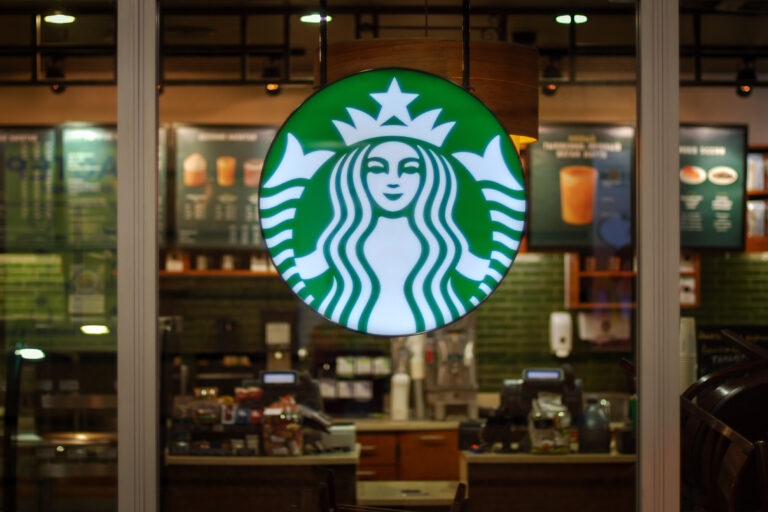
Paying for your latte with a Starbucks card? You should know that, according to the terms of service, customers who use a Starbucks card surrender their legal right to take the company to court via an arbitration clause.
An arbitration clause like this one is nothing new. Many companies include these arbitration clauses in their fine print to keep consumers from bringing lawsuits against them. However, it is important to understand that consumers incur this risk simply by purchasing a Starbucks card. Purchasing a drink from the store using another form of payment does not bind the consumer to arbitration.
The terms of service on Starbucks cards states that “By buying, loading or using your Starbucks Card, you agree to these terms.” The arbitration clause states that the user eliminates their right to a trial by jury. It also states that the provision will “substantially affect your rights, including preventing you front bringing, joining or participating in class or consolidated proceedings.”
As of April 2016, Starbucks gave cardholders the ability to opt out of the arbitration provision. In order to do so, users would have to send written notice to Starbucks within 30 days of the date the card was purchased, loaded or reloaded, whichever is earliest. If that deadline has passed, users are unable to opt out of the arbitration agreement.
“It is incredible that by simply using a certain method of payment, a consumer is giving up their right to a jury trial. These arbitration agreements are dangerous for consumers, and unfortunately they are all too common now,” said Attorney Walter Clark, founder of Walter Clark Legal Group.
Our firm has been handling personal injury cases throughout the California Low Desert and High Desert communities for over 30 years. With a 95% success rate, the California personal injury attorneys at Walter Clark Legal Group will fight to hold those responsible for your loss accountable and win compensation to cover medical bills, lost wages, and pain and suffering. If you have been injured and want to discuss your legal options, contact us today for a free consultation with an experienced personal injury lawyer. We have offices in Indio, Rancho Mirage, Victorville, and Yucca Valley and represent clients through the entire California Low Desert and High Desert communities.
DISCLAIMER: The Walter Clark Legal Group blog is intended for general information purposes only and is not intended as legal or medical advice. References to laws are based on general legal practices and vary by location. Information reported comes from secondary news sources. We do handle these types of cases, but whether or not the individuals and/or loved ones involved in these accidents choose to be represented by a law firm is a personal choice we respect. Should you find any of the information incorrect, we welcome you to contact us with corrections.
 Communities We Serve
Walter Clark Legal Group helps injured people and their families in the Southern California desert communities of:
Past results do not guarantee future outcomes, and each case is different. We offer free case evaluations, and no attorney’s fees are owed unless we recover compensation; clients may be responsible for case-related costs and expenses. Recognitions by third-party legal directories are based on their own criteria and do not imply specialization or certification. Descriptions of practice areas do not constitute certification or specialization unless expressly stated. We are not affiliated with, endorsed by, or approved by any government agency.
Walter Clark Legal Group